E-commerce Analytics & Competitive Intelligence

Master the art of data-driven pricing and competitive intelligence. Learn how to leverage advanced analytics to optimize your e-commerce strategy and outperform competitors.

What is E-commerce Analytics?

E-commerce analytics is the systematic analysis of data from your online store and the broader market to make informed business decisions. It goes beyond simple metrics to provide actionable insights about customer behavior, market trends, and competitive positioning.

Modern e-commerce analytics combines data from multiple sources - your website, competitors, marketplaces, and industry reports - to create a comprehensive view of your business landscape. This holistic approach enables smarter pricing, inventory management, and marketing strategies.

Real-time market intelligence and competitor monitoring
Customer behavior analysis and segmentation
Pricing optimization and revenue management
Performance tracking and ROI measurement
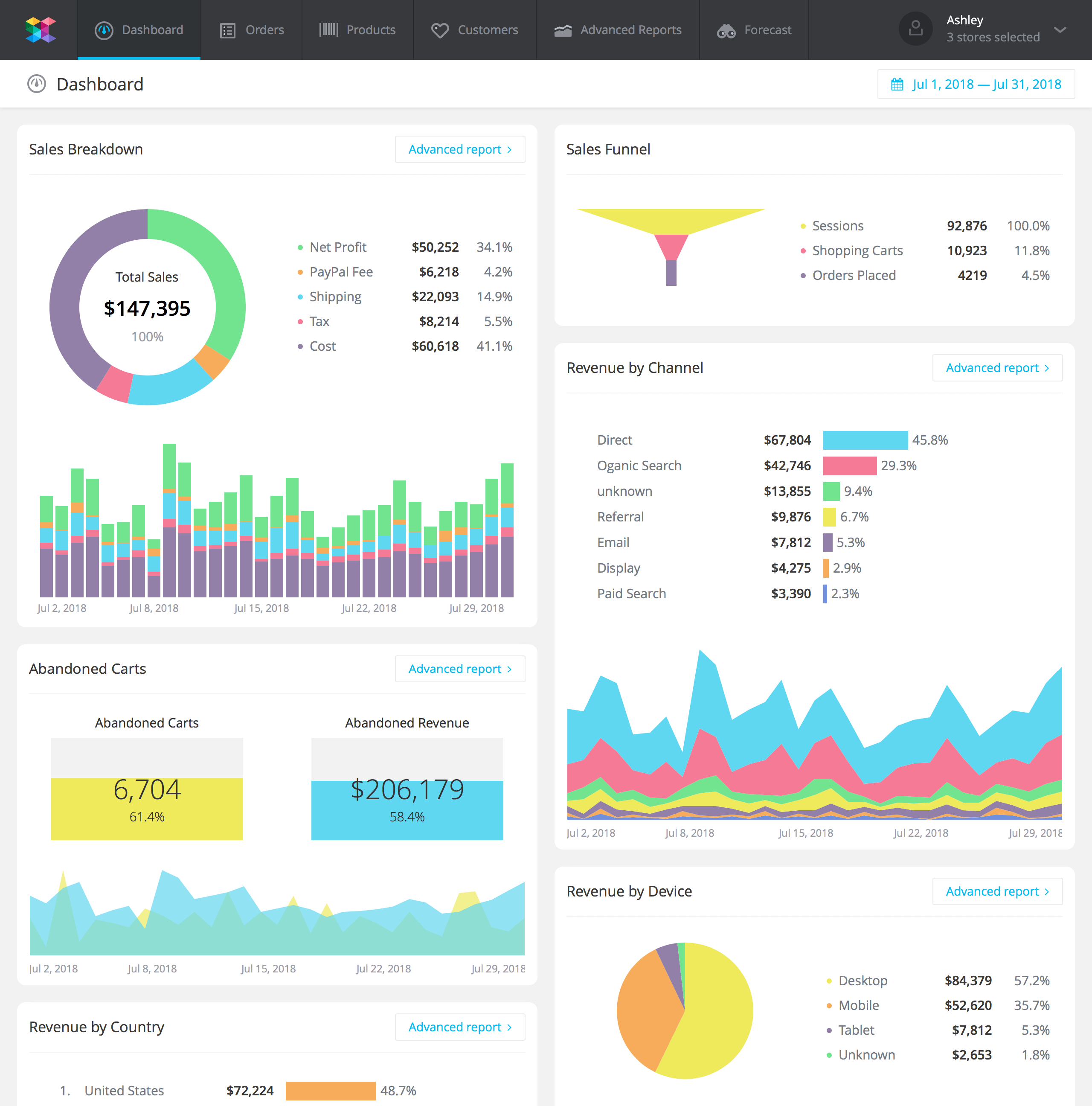
E-commerce Analytics Dashboard

Key Analytics Metrics

Track these essential metrics to measure your e-commerce performance and competitive position.

15-25%
Typical Revenue Increase
18
Hours Saved Per Week
31%
Margin Improvement
94%
Customer Satisfaction

The Analytics Process

Follow this systematic approach to implement effective e-commerce analytics in your business.

1

Data Collection

Gather data from multiple sources including your website, competitors, marketplaces, and industry reports. Set up automated monitoring systems to ensure continuous data flow.

2

Data Processing

Clean, normalize, and structure your data for analysis. Use ETL tools to combine data from different sources and create unified datasets for analysis.

3

Analysis & Insights

Apply statistical methods and machine learning algorithms to identify patterns, trends, and correlations in your data that can inform business decisions.

4

Action & Optimization

Implement changes based on your insights and continuously monitor results. Use A/B testing to validate improvements and refine your strategies.

Competitive Intelligence Strategies

Advanced strategies to gather, analyze, and act on competitive intelligence effectively.

🎯

Price Positioning Analysis

Analyze competitor pricing patterns to identify optimal price points. Use historical data to predict future pricing moves and position your products strategically.

  • • Monitor price elasticity by product category
  • • Identify premium vs. budget positioning opportunities
  • • Track seasonal pricing patterns
  • • Analyze promotional pricing strategies
📊

Market Share Analysis

Track your market position relative to competitors. Identify growth opportunities and threats by analyzing market dynamics and competitive landscape changes.

  • • Monitor competitor product assortment changes
  • • Track market share by category and region
  • • Identify emerging competitors
  • • Analyze customer review sentiment
⚡

Dynamic Response Systems

Implement automated systems that respond to competitor actions in real-time. Create rules-based pricing strategies that adapt to market conditions instantly.

  • • Set up automated price adjustment rules
  • • Create competitive response playbooks
  • • Monitor stock availability for opportunities
  • • Implement alert systems for market changes
🔍

Product Matching Intelligence

Use AI-powered matching to identify identical and similar products across competitors. This enables accurate price comparisons and competitive positioning analysis.

  • • Implement AI-powered product matching
  • • Track white-label and private label products
  • • Monitor substitute product pricing
  • • Analyze product feature comparisons
📈

Performance Benchmarking

Continuously measure your performance against industry benchmarks and best practices. Identify areas for improvement and track progress over time.

  • • Compare conversion rates vs. industry averages
  • • Monitor customer acquisition costs
  • • Track inventory turnover rates
  • • Analyze profit margin trends
🌐

Global Market Intelligence

Expand your competitive intelligence to international markets. Understand regional pricing differences, cultural preferences, and local competitive landscapes.

  • • Monitor international competitor pricing
  • • Analyze currency impact on pricing
  • • Track regional market trends
  • • Understand cultural pricing sensitivities

Tools That Support Advanced Analytics

Discover the tools that can power your e-commerce analytics and competitive intelligence efforts.

Minderest

4.8★

Advanced AI-powered analytics platform designed for enterprise businesses requiring sophisticated competitive intelligence and global market analysis.

AI-powered product matching and analysis
Global market intelligence across 12+ countries
Advanced reporting with 20+ analytics dashboards
Custom development and integration services

Price2Spy

4.7★

Comprehensive analytics platform with advanced reporting capabilities and real-time monitoring. Perfect for mid-market businesses needing detailed competitive insights.

25+ advanced reports and analytics dashboards
Real-time monitoring up to 8x daily
Historical data analysis up to 10 years
Custom report builder and API access

Prisync

4.5★

User-friendly analytics platform perfect for small to medium businesses. Focuses on essential metrics and straightforward reporting for quick decision-making.

Essential analytics dashboards and reports
Daily monitoring with 3x updates
Dynamic pricing analytics and insights
Easy-to-use interface with quick setup

Implementation Guide

Step-by-step guide to implementing e-commerce analytics in your business.

Getting Started with E-commerce Analytics

Phase 1: Foundation (Weeks 1-2)

  • Define your analytics goals and KPIs
  • Identify key competitors and products to monitor
  • Choose and set up your analytics tools
  • Establish data collection processes

Phase 2: Analysis (Weeks 3-4)

  • Analyze historical pricing and market trends
  • Identify pricing opportunities and threats
  • Benchmark against industry standards
  • Create your first pricing strategy recommendations

Phase 3: Implementation (Weeks 5-8)

  • Implement pricing changes based on insights
  • Set up automated monitoring and alerts
  • Train team members on new processes
  • Begin tracking performance metrics

Phase 4: Optimization (Ongoing)

  • Continuously monitor performance and adjust strategies
  • Expand monitoring to additional competitors/products
  • Refine analytics processes based on learnings
  • Scale successful strategies across the business

Ready to Implement Advanced Analytics?

Choose the right analytics tools and start making data-driven decisions to grow your e-commerce business.