Dynamic Pricing Strategies for E-commerce Success

Master the art of dynamic pricing to maximize revenue, stay competitive, and optimize your e-commerce profitability with data-driven strategies.

What is Dynamic Pricing?

Understanding the fundamentals of dynamic pricing and how it can transform your e-commerce business.

The Evolution of Pricing

Dynamic pricing, also known as surge pricing or demand-based pricing, is a strategy where prices are adjusted in real-time based on various factors including demand, competition, inventory levels, and market conditions. Unlike static pricing, which remains fixed for extended periods, dynamic pricing allows businesses to optimize prices continuously.

This approach has become essential in e-commerce, where market conditions can change rapidly. Airlines and hotels have used dynamic pricing for decades, but e-commerce businesses are now adopting similar strategies to maximize revenue and stay competitive.
Responds to market conditions in real-time
Maximizes revenue and profit margins
Maintains competitive positioning
Adapts to customer behavior patterns
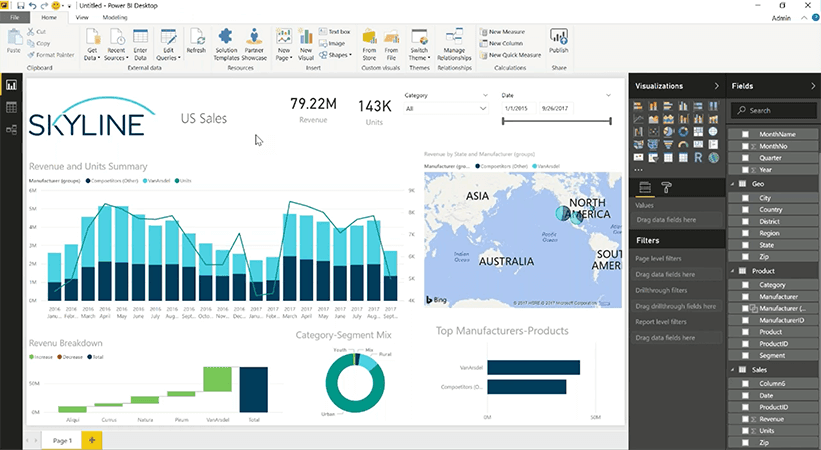
Dynamic Pricing Dashboard

Dynamic Pricing Models

Explore different approaches to dynamic pricing and choose the right model for your business.

Rule-Based Pricing

The simplest form of dynamic pricing where you create specific rules that trigger price changes. This approach gives you full control and is easy to understand and implement.

Common Rules:

IF competitor_price < my_price - 5% THEN my_price = competitor_price + 2%
IF stock_level < 10 THEN price = price * 1.1
IF demand_score > 80 THEN price = price * 1.05

Best For:

  • Small to medium businesses
  • Teams new to dynamic pricing
  • Businesses wanting full control

Algorithmic Pricing

Advanced pricing that uses algorithms and machine learning to optimize prices based on multiple factors simultaneously. This approach can handle complex scenarios and adapt to changing conditions automatically.

Factors Considered:

  • • Competitor prices and positioning
  • • Historical sales data and trends
  • • Current demand and seasonality
  • • Inventory levels and velocity
  • • Customer behavior and segments
  • • Market conditions and external factors

Best For:

  • Large e-commerce businesses
  • Complex product catalogs
  • Highly competitive markets

Implementation Strategies

Step-by-step approach to implementing dynamic pricing in your e-commerce business.

Phase 1: Foundation (Weeks 1-2)

Data Collection & Analysis

  • Gather historical pricing and sales data
  • Analyze competitor pricing patterns
  • Identify seasonal trends and cycles
  • Map customer segments and behavior

Tool Selection & Setup

  • Choose dynamic pricing software
  • Configure monitoring parameters
  • Set up data integration
  • Establish baseline metrics

Phase 2: Testing (Weeks 3-6)

Rule Development

Start with simple rules and gradually increase complexity:

Rule 1: Never price below cost + 15%
Rule 2: Match competitor prices within 5%
Rule 3: Increase price 10% when stock < 10

A/B Testing

  • Test pricing rules on limited product sets
  • Compare performance against control groups
  • Monitor customer response and feedback
  • Measure impact on key metrics

Phase 3: Full Implementation (Weeks 7-12)

Rollout Strategy

  • Expand to full product catalog
  • Implement advanced pricing rules
  • Set up automated alerts
  • Train team on new processes

Optimization

  • Continuously refine pricing rules
  • Monitor performance metrics
  • Gather customer feedback
  • Scale successful strategies

Best Practices & Common Pitfalls

Learn from industry experts to avoid common mistakes and maximize your dynamic pricing success.

Best Practices

💡 Start Simple

Begin with basic rules and gradually increase complexity. This allows you to understand the impact of each change and avoid overwhelming your team or customers.

💡 Monitor Customer Response

Track customer feedback and behavior changes. Sudden price changes can alienate customers, so communicate value propositions clearly and maintain transparency.

💡 Test Everything

Use A/B testing to validate pricing strategies. Test different approaches on small product sets before rolling out to your entire catalog.

💡 Consider Total Value

Don't compete on price alone. Factor in shipping, returns, customer service, and brand reputation when setting prices and positioning against competitors.

Common Pitfalls

⚠️ Price Wars

Avoid getting into price wars with competitors. This erodes margins for everyone and devalues your products. Focus on value differentiation instead of just price.

⚠️ Ignoring Brand Positioning

Don't price yourself out of your brand position. Premium brands should maintain premium pricing, while value brands should focus on competitive advantages beyond price.

⚠️ Over-Automation

Don't remove human oversight completely. Automated systems need regular review and adjustment based on market feedback and changing conditions.

⚠️ Ignoring Legal Considerations

Be aware of price discrimination laws and MAP (Minimum Advertised Price) policies. Ensure your dynamic pricing strategies comply with all relevant regulations.

Tools for Dynamic Pricing

Discover the best tools to implement dynamic pricing strategies in your business.

Prisync

4.5★

Great for businesses starting with dynamic pricing. Offers rule-based pricing with easy setup and affordable pricing.

Rule-based dynamic pricing engine
Easy-to-use interface
Affordable starting at $99/mo

Price2Spy

4.7★

Perfect for mid-market businesses needing advanced dynamic pricing with comprehensive analytics and reporting capabilities.

Advanced rule-based pricing
Real-time price monitoring
Comprehensive analytics

Minderest

4.8★

Enterprise-grade AI-powered dynamic pricing for large businesses with complex needs and global operations.

AI-powered pricing algorithms
Global market coverage
Custom development services

Ready to Implement Dynamic Pricing?

Choose the right tool and start optimizing your pricing strategy for maximum revenue and profit.