Master the art of competitor price monitoring with this comprehensive step-by-step guide. Learn the strategies, tools, and best practices used by successful e-commerce businesses.
Understanding the importance of competitive price monitoring in today's e-commerce landscape.
In today's digital marketplace, customers can compare prices across multiple retailers in seconds. If your prices are significantly higher than competitors, you'll lose sales. If they're too low, you'll lose profit margin. Effective price monitoring helps you find the sweet spot.
Price monitoring isn't just about matching competitor prices—it's about understanding market dynamics, identifying opportunities, and making strategic decisions that drive both sales and profitability.
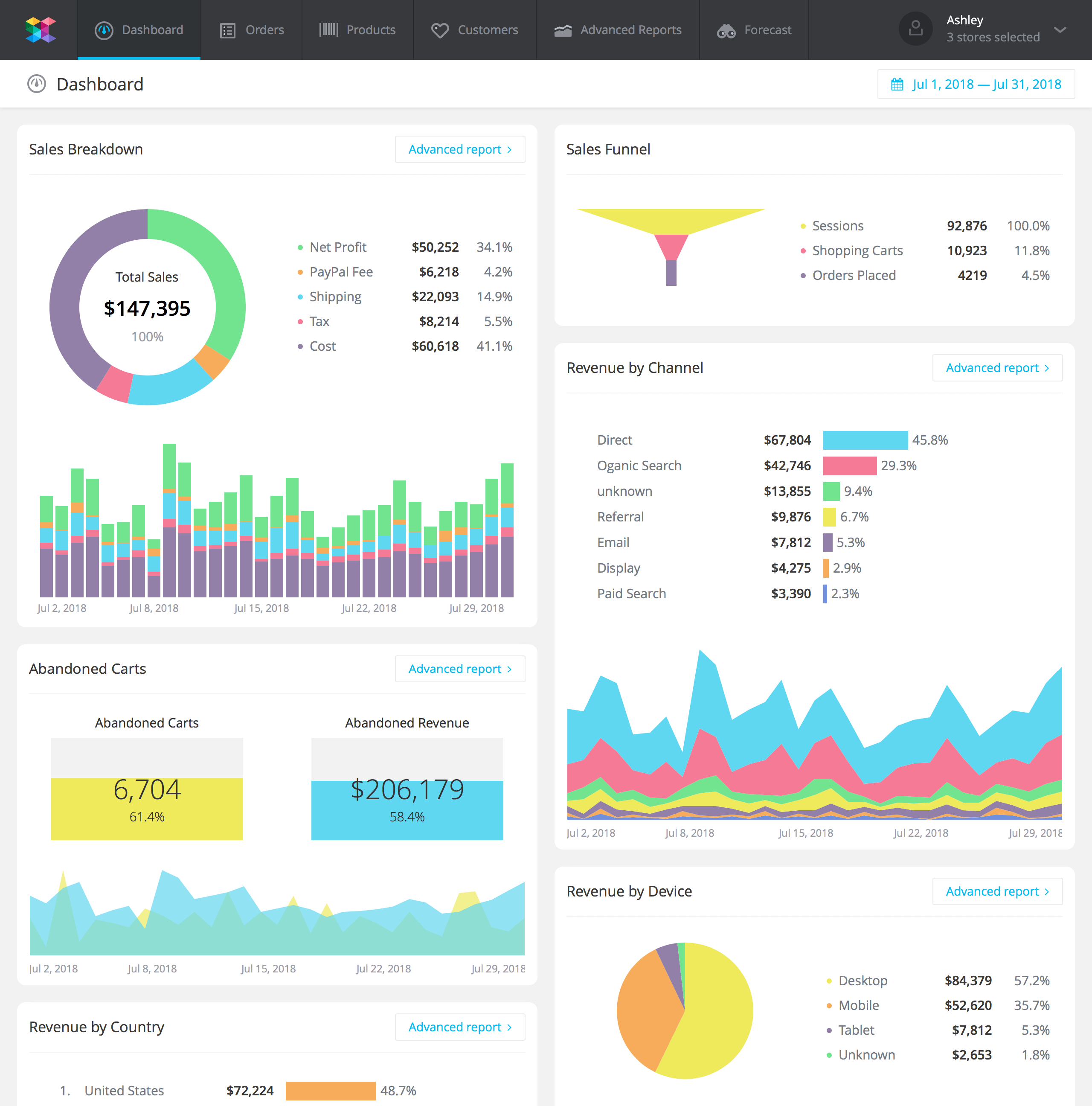
Before you begin monitoring, you need a clear strategy. Here's how to plan your approach.
What do you want to achieve with price monitoring? Your goals will determine your approach and the tools you need.
Not all competitors are equally important. Focus on those who directly impact your business.
Businesses selling identical or very similar products to your target market.
Businesses selling substitute products or targeting similar customer segments.
Industry leaders whose pricing strategies influence the entire market.
Selecting the right tools is crucial for effective price monitoring. Here's what to consider.
User-friendly platform perfect for beginners. Great for small to medium businesses needing essential monitoring features without complexity.
Comprehensive solution with advanced features. Perfect for mid-market businesses needing detailed analytics and real-time monitoring.
Enterprise-grade AI-powered platform. Perfect for large businesses needing sophisticated competitive intelligence and global market analysis.
Follow this systematic approach to implement effective competitor price monitoring.
Start by clearly defining what you want to achieve and which competitors to monitor. This foundation will guide all your future decisions.
Select a price monitoring tool that fits your needs and budget. Most tools offer free trials, so you can test before committing.
Start with Prisync for simplicity and affordability
Choose Price2Spy for advanced features
Consider Minderest for AI-powered insights
Set up your monitoring parameters and configure alerts. This step is crucial for getting actionable insights.
Once monitoring is active, you'll start receiving data. Learn to interpret this information and make strategic decisions.
Price monitoring is an ongoing process. Continuously optimize your approach and expand as you see results.
Learn from the experience of others to avoid common pitfalls and maximize your success.
Begin with your top 10 competitors and 20-50 key products. This focused approach gives you maximum impact while keeping costs manageable.
Don't just collect data—use it to make decisions. Set up alerts for significant price changes and create processes for acting on insights quickly.
Track competitor stock levels alongside prices. When competitors are out of stock, you can often maintain higher prices without losing sales.
Don't just compete on price. Consider shipping costs, return policies, customer service, and other factors that affect total customer value.
Don't automatically match the lowest price. This erodes margins and devalues your brand. Instead, focus on value differentiation and strategic positioning.
Prices often fluctuate seasonally. Don't react to normal seasonal price changes as if they were competitive moves. Understand your industry's patterns.
Quality over quantity. Monitoring 50+ competitors can be overwhelming and expensive. Focus on the 5-10 who matter most to your business.
Collecting data without acting on it is a waste of resources. Create clear processes for reviewing insights and making pricing decisions.
Take your price monitoring to the next level with these advanced techniques.
Move beyond manual price adjustments to automated dynamic pricing. Set up rules that automatically adjust prices based on competitor movements, inventory levels, and demand.
Use price monitoring data for broader market intelligence. Understand trends, predict competitor moves, and identify strategic opportunities.
Track these key metrics to measure the success of your price monitoring efforts.
Typical improvement within 3 months
Time saved on manual price checking
Time to recoup investment
Use our tool selector to find the perfect price monitoring solution for your business needs.